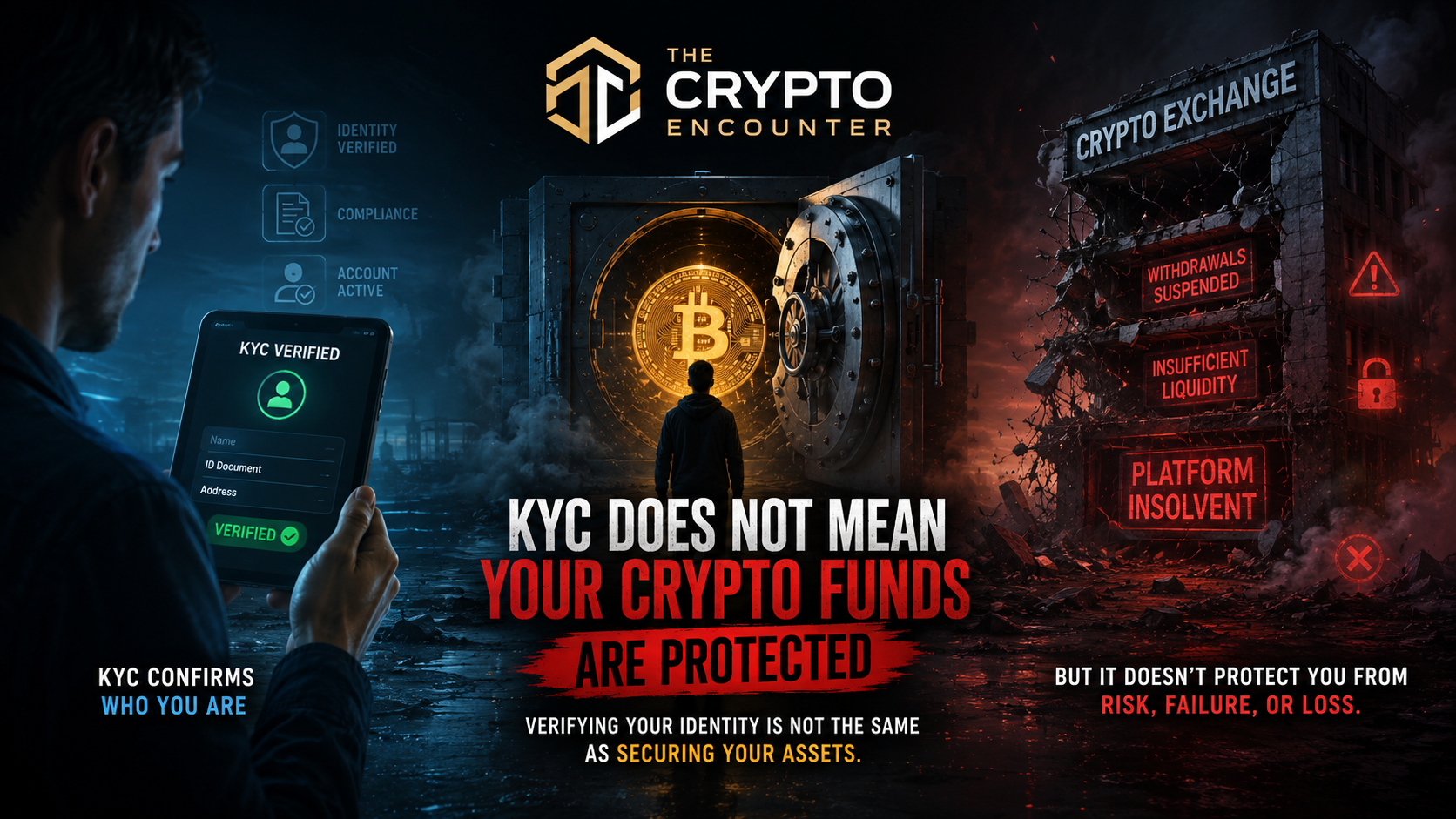
KYC proves an exchange knows who you are, not that your crypto is safe. Custody, solvency, regulation, and platform controls determine fund protection and risk.
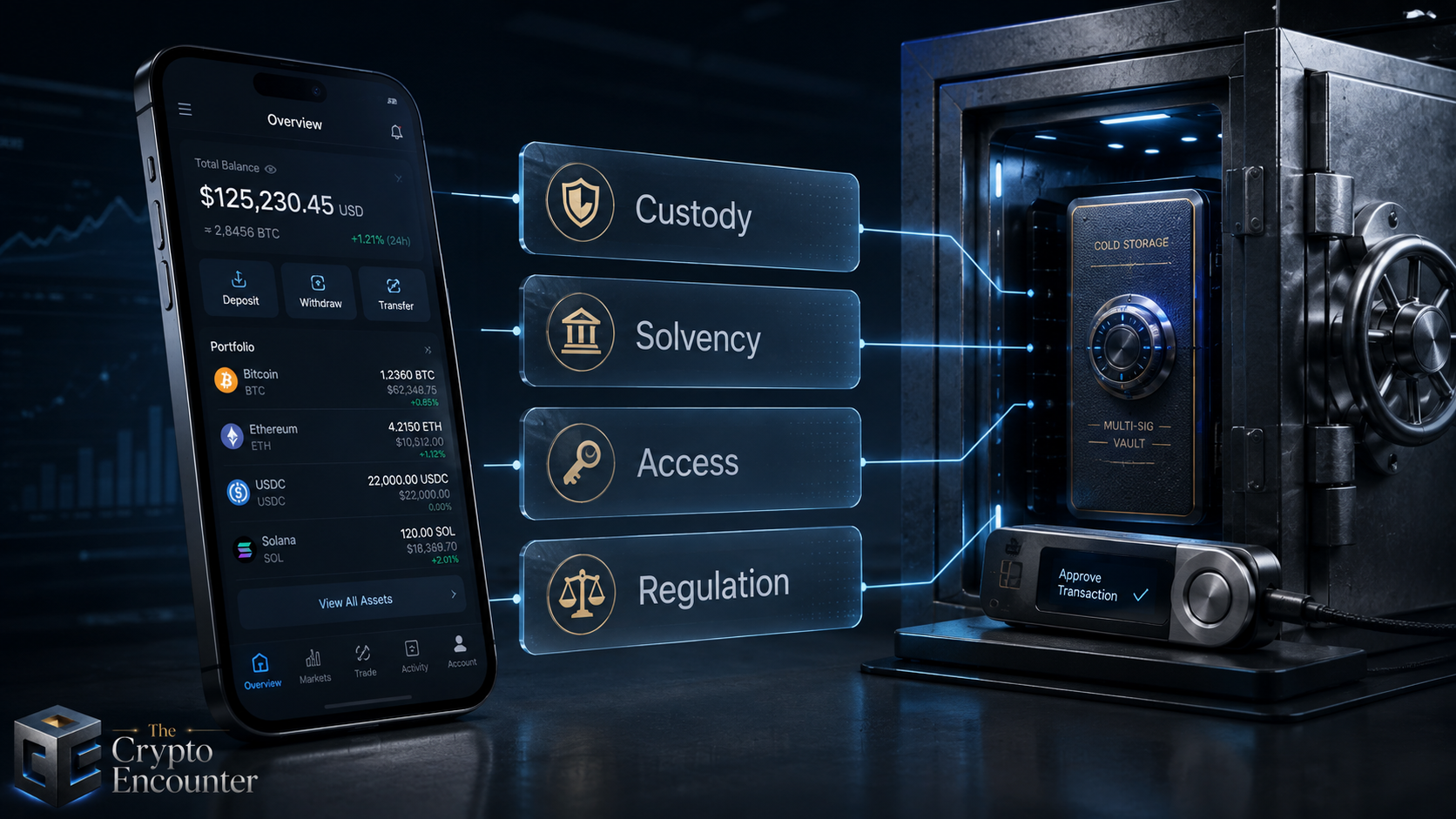
Exchange balances can look like direct ownership, but access depends on custody, private keys, solvency, liquidity, regulation, and platform controls. This guide explains the exchange token...
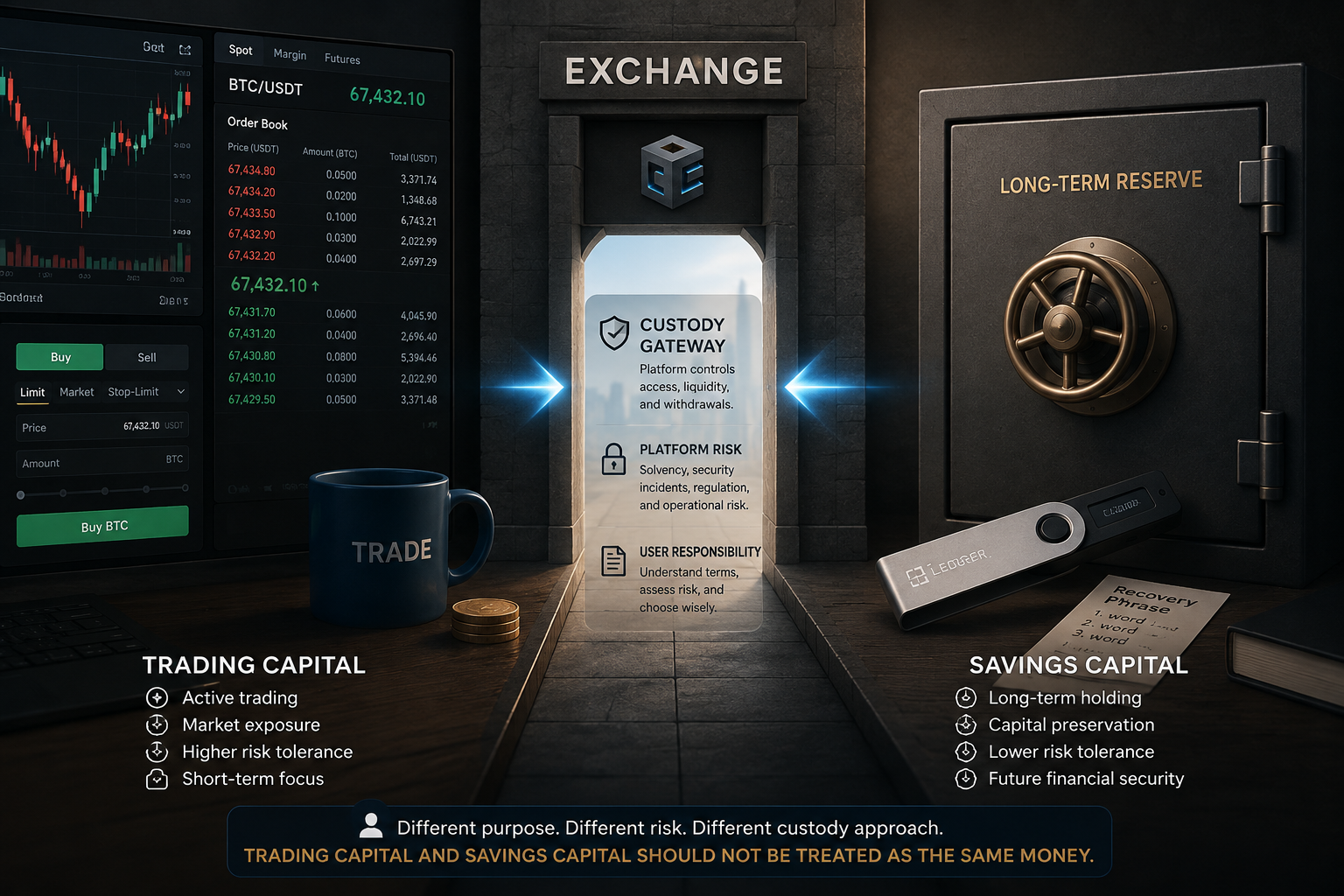
Trading capital and savings capital may appear identical inside a crypto exchange account, but they serve very different financial purposes. This guide explains how custody, solvency,...
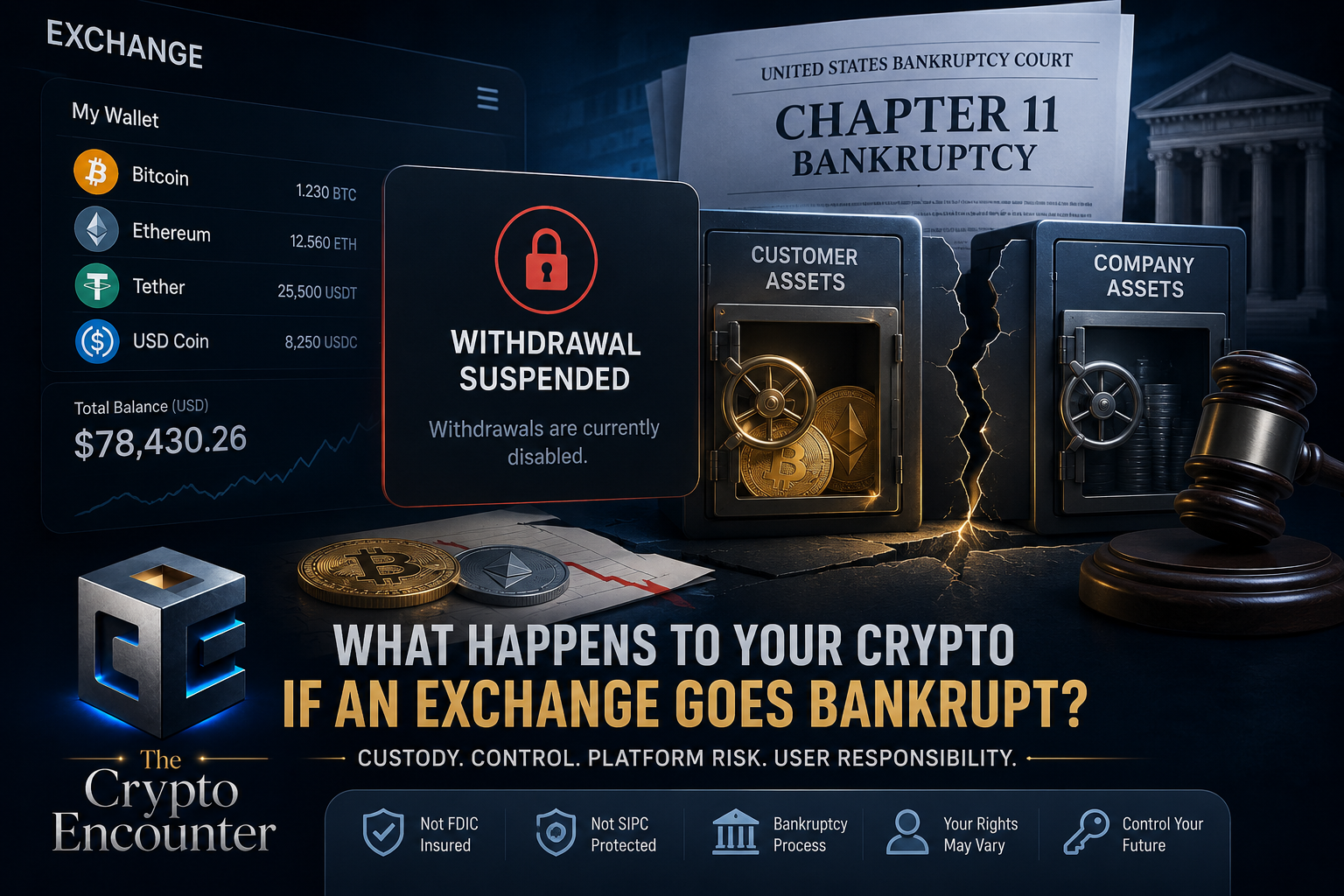
A crypto exchange bankruptcy can turn an accessible crypto balance into a legal claim. This guide explains custody, asset ownership, FTX, creditor rights, insurance limits, regulation,...
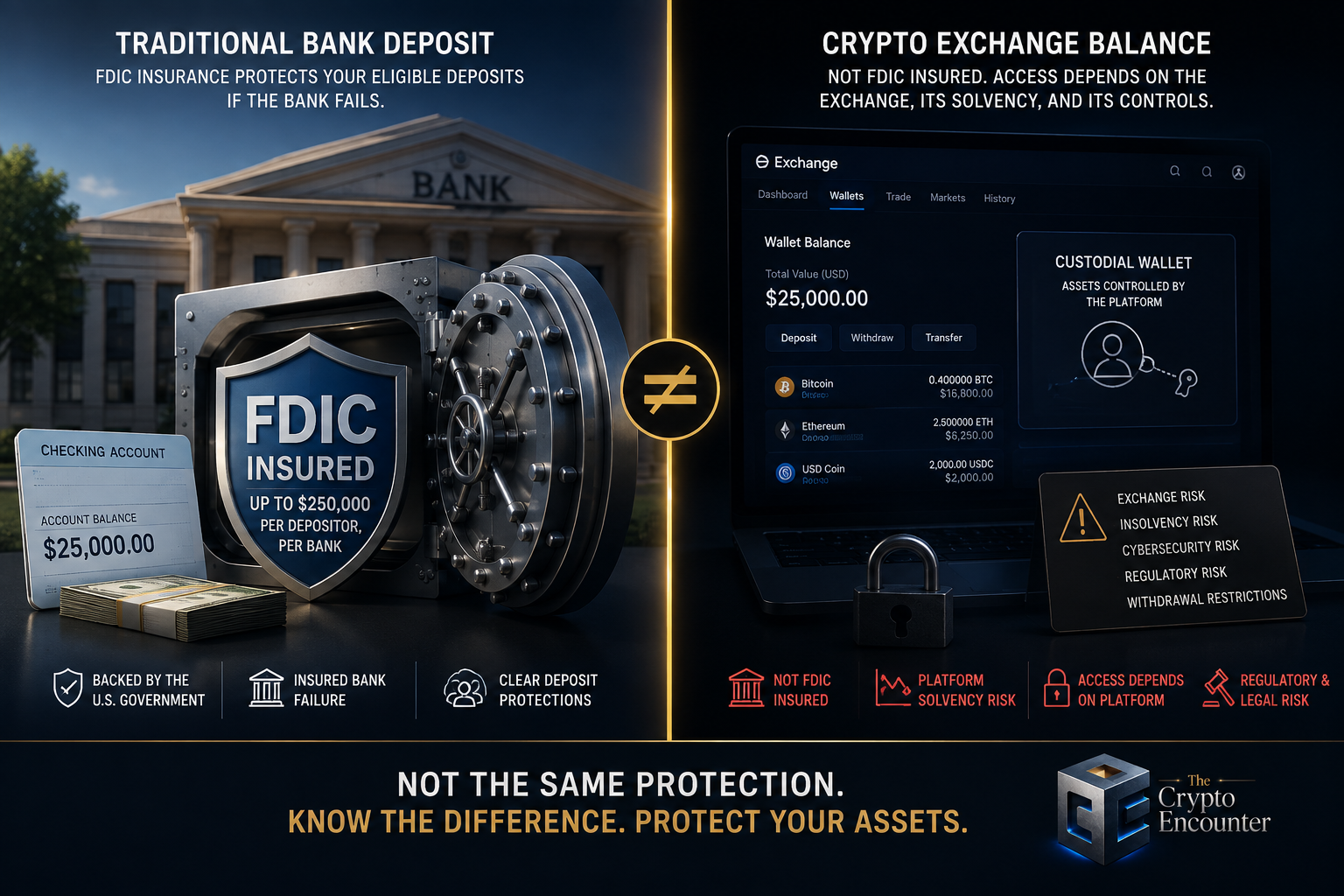
The FDIC myth in crypto can give exchange users a false sense of protection. This guide explains what FDIC insurance actually covers, why crypto balances are...
The offshore exchange problem begins when users mistake a displayed balance for direct ownership. Learn how custody, solvency, platform terms, regulation, and bankruptcy can affect access...
Proof of reserves can reveal part of a crypto exchange’s asset position. However, it cannot show the full balance sheet, legal ownership, withdrawal access, cybersecurity strength,...
An exchange app may show that you own crypto, yet access depends on private-key custody, platform solvency, withdrawal systems, regulation, and account controls. This guide explains...