

Why Merchants Still Hesitate to Accept Crypto Payments
Stablecoins can make crypto payments faster and more practical, but merchants still face issuer, reserve, redemption, compliance, liquidity, and operational risks.
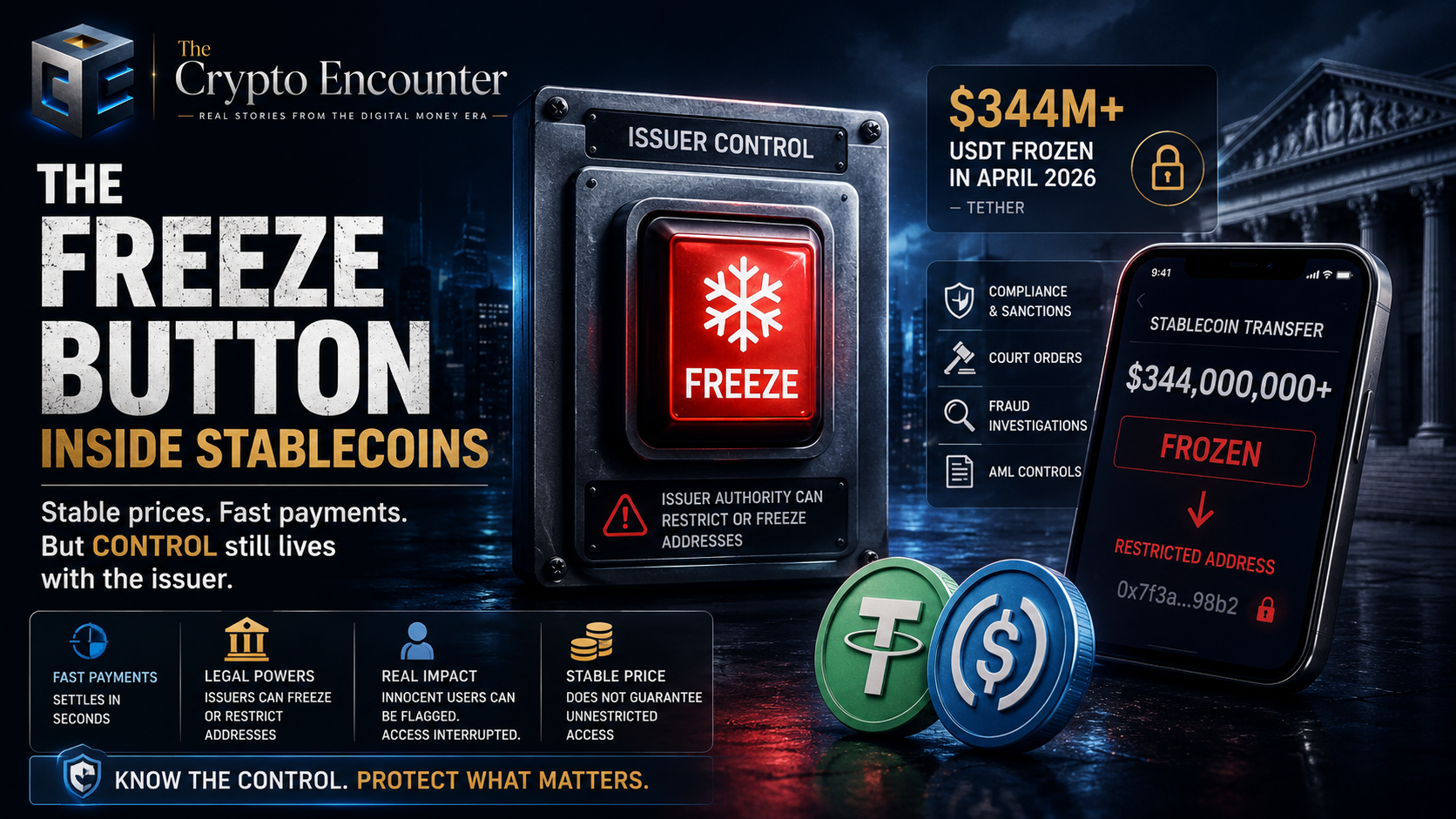

Stablecoins can move quickly, but issuers may retain powers to restrict addresses or freeze tokens. Learn what that control means for payments and remittances.
Stablecoins can make digital dollars easier to transfer, but their stability depends on reserves, redemption, issuers, compliance, and payment infrastructure.
A major security study of x402 facilitators found 31 vulnerabilities across 15 providers, including Coinbase. The bigger concern is what happens when AI agents…
Kraken’s reported Aave stake talks, its Maple Finance warehouse facility, and USDT’s brief move above Ethereum point to a deeper shift in crypto, where…
Crypto regulation is becoming the market’s next big filter. Exchanges, stablecoins, ETFs, DeFi protocols, and token projects now face a trust test that weak…
Zama, Morpho and Steakhouse are launching Ethereum’s first confidential DeFi yield vault for encrypted USDC. The product lets institutions earn yield without exposing balances,…
Ripple’s investment in Flutterwave brings RLUSD, Ripple Payments, and the XRP Ledger into one of Africa’s most important payments networks. The deal could become…