
Editor's Choice
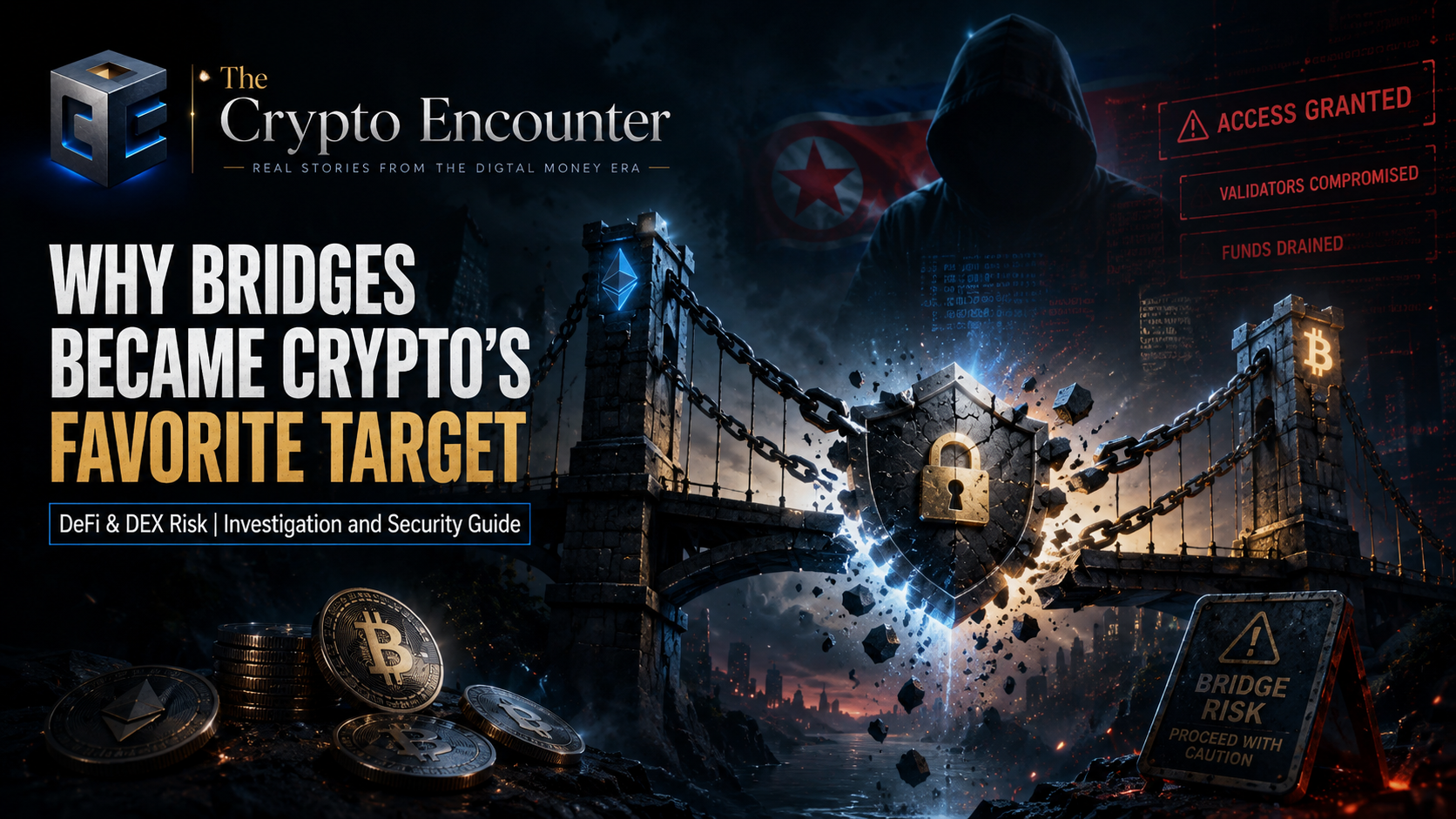
Why Bridges Became Crypto’s Favorite Target
A cross-chain bridge exists to let assets move between separate blockchains that otherwise can’t talk to each other, and to do that, it has to lock…

Selected reporting, analysis, investigations, and explainers chosen by The Crypto Encounter’s editorial team for their significance, originality, depth, or value to readers.
A cross-chain bridge exists to let assets move between separate blockchains that otherwise can’t talk to each other, and to do that, it has to lock…

AI crypto scams are becoming harder to recognize as artificial intelligence improves fake websites, messages, voices, videos, and investment pitches. Learn why polished presentation is not…
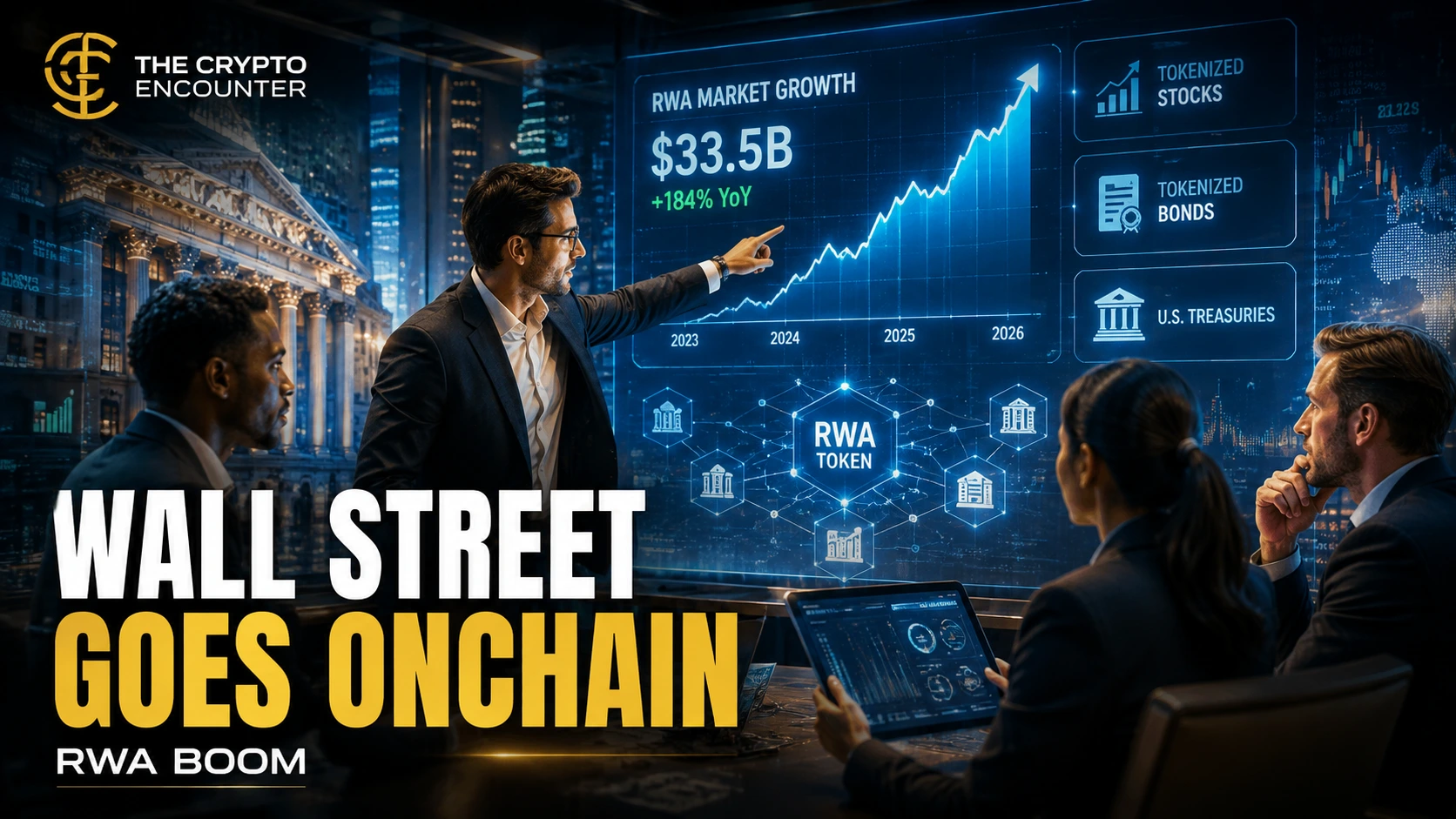
Real-world asset tokenization has surged from roughly $11.8 billion to $33.5 billion in a year, driven by tokenized Treasuries, money market funds, stocks and institutional adoption.…

The stablecoin war between banks and crypto firms is moving into everyday finance. Faster digital-dollar payments offer real advantages, yet reserves, redemption rules, deposit protection, freezes,…

Stablecoins may offer fast, dollar-linked payments, but small businesses still face issuer, redemption, reserve, freeze, and compliance risks.

Stablecoins make digital dollars fast, practical, and globally transferable. Those benefits also attract criminals. Here is how crime, freezing, reserves, redemption, scams, and payment protection intersect.

The single most effective habit in DeFi security has nothing to do with picking safer protocols. It’s keeping the wallet you use to connect to websites,…

Elon Musk’s estimated $894.9 billion fortune looks large enough to buy nearly two-thirds of Bitcoin’s maximum supply or more than 6,300 metric tons of gold. But…

Stablecoins can move like digital cash, but the money supporting them often sits with banks, custodians, money market funds, and Treasury markets. Here is who really…
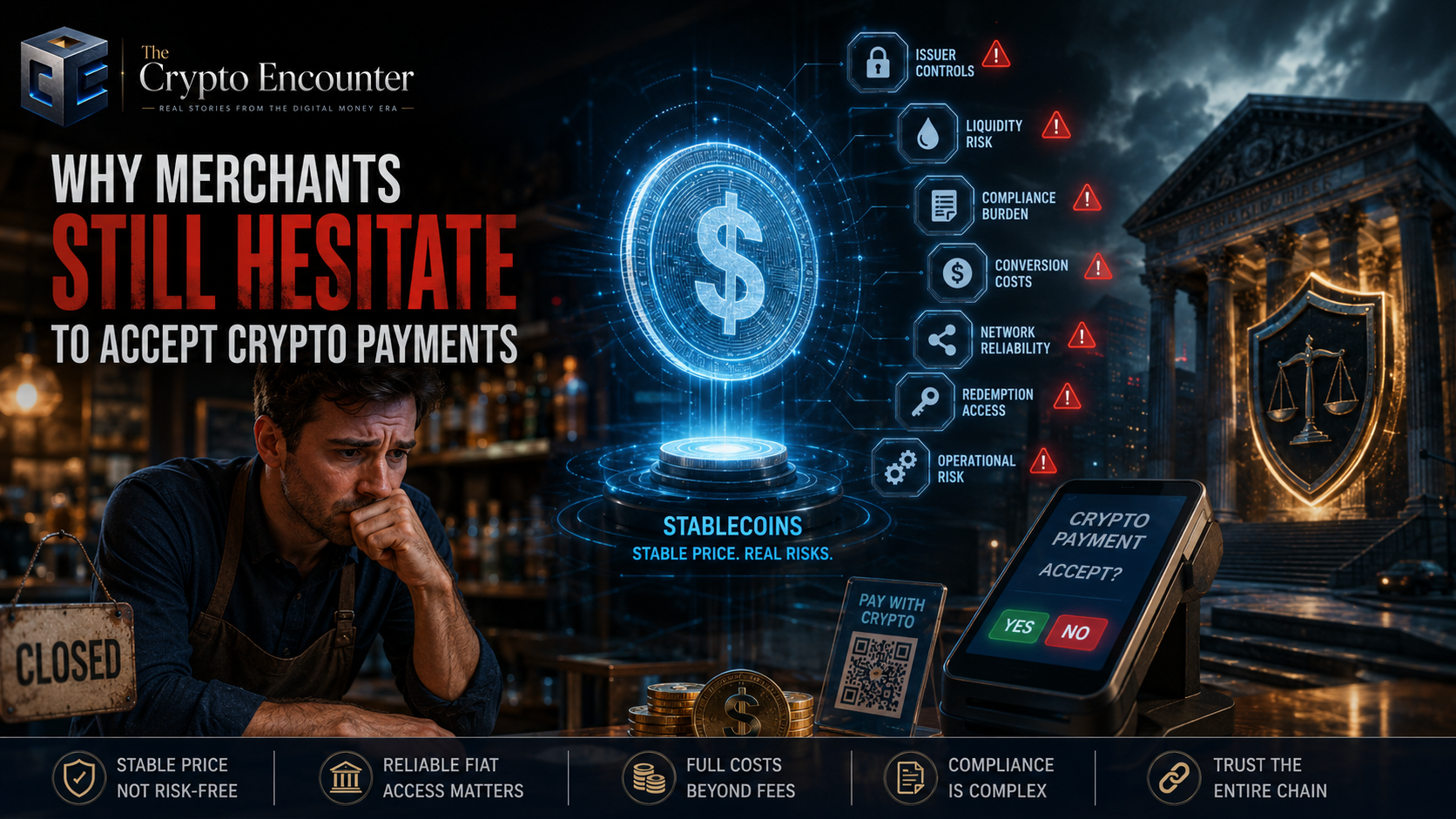
Stablecoins can make crypto payments faster and more practical, but merchants still face issuer, reserve, redemption, compliance, liquidity, and operational risks.