

Editor's Choice
The DeFi Wallet Separation Rule
Every time you use a DeFi protocol, you typically grant it a standing permission, called a token approval, to move a specific token from…

Every time you use a DeFi protocol, you typically grant it a standing permission, called a token approval, to move a specific token from…
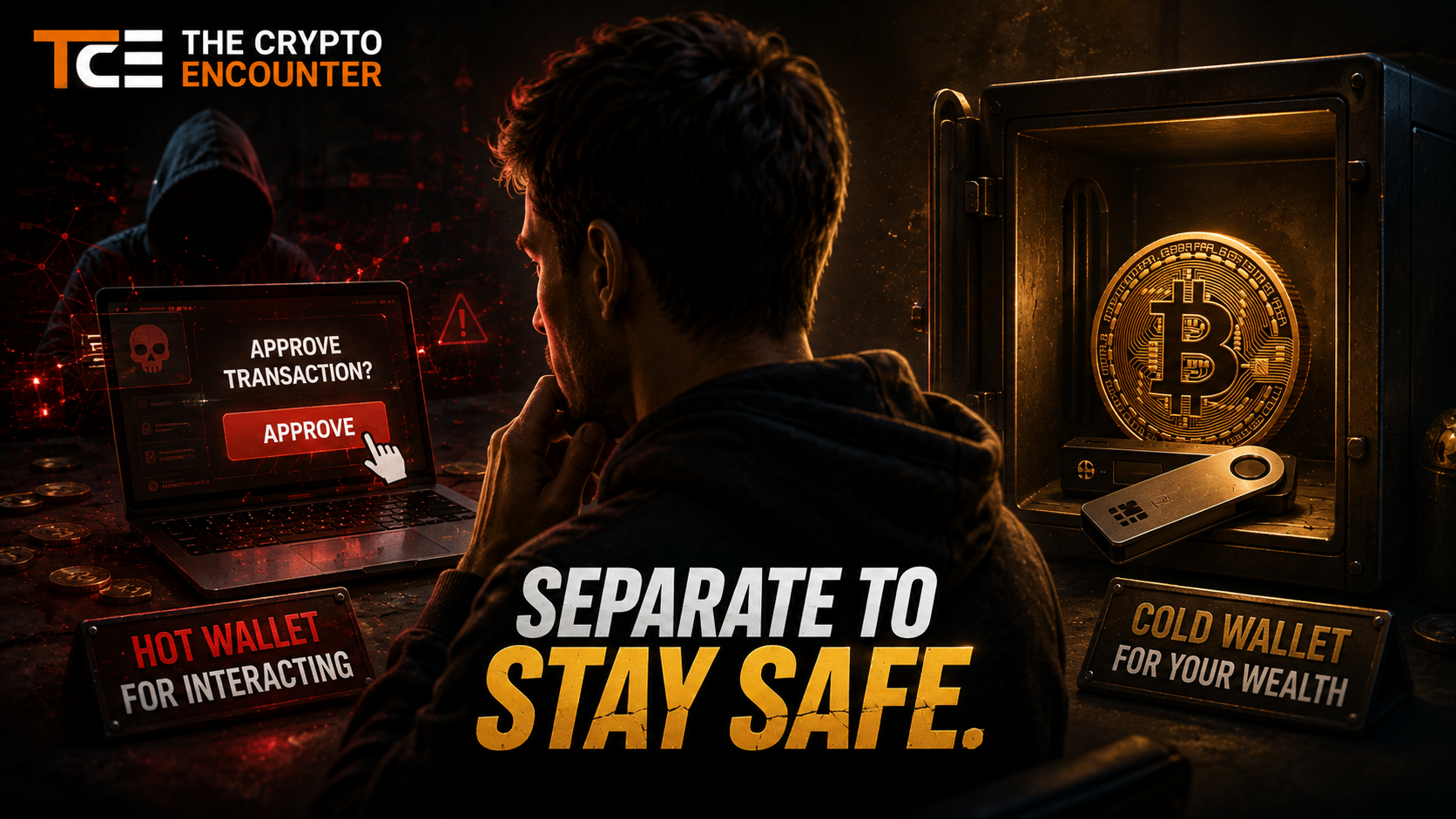
The single most effective habit in DeFi security has nothing to do with picking safer protocols. It’s keeping the wallet you use to connect…
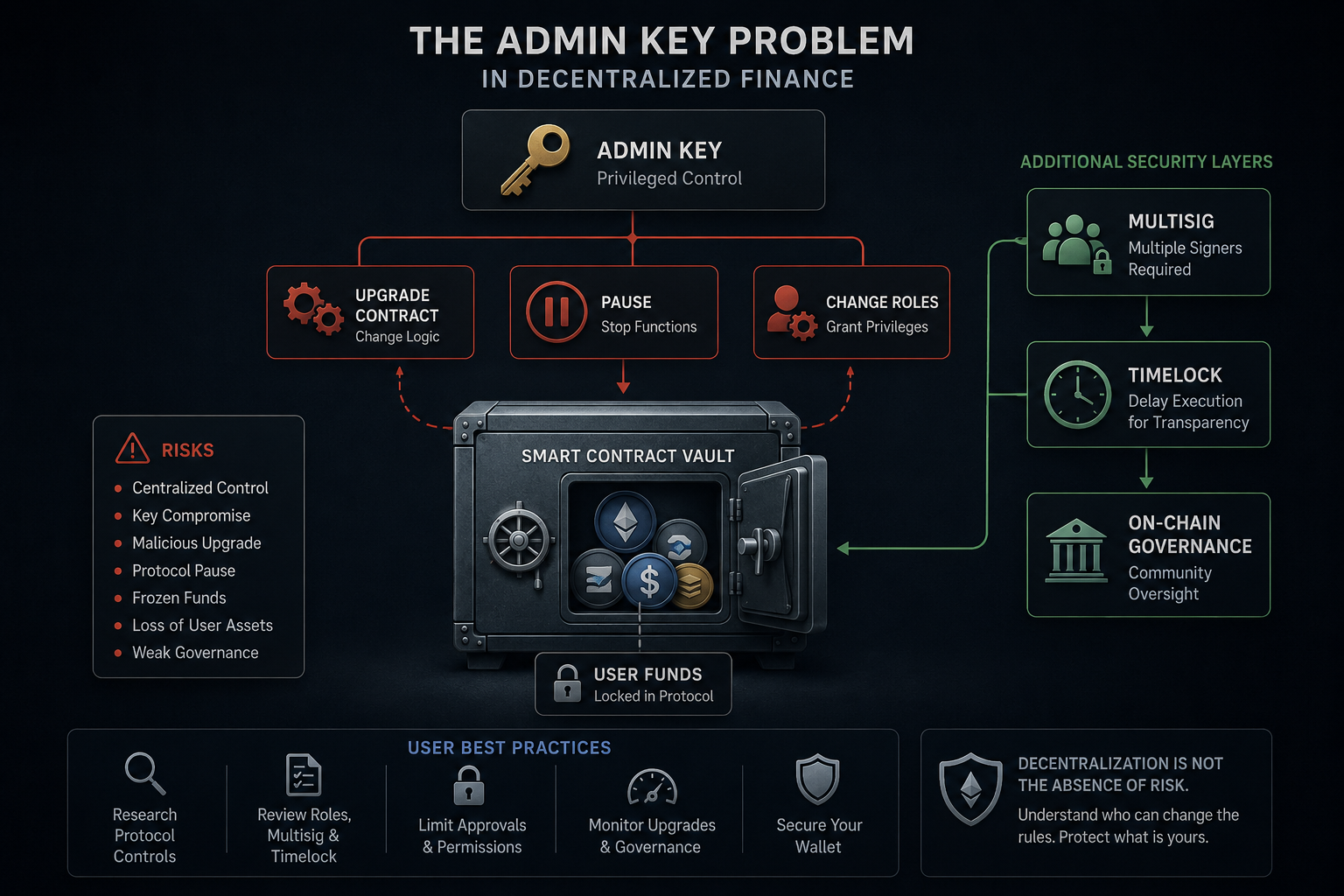
DeFi removes traditional custodians, but privileged smart-contract controls can create a different form of trust. This guide explains who can change DeFi protocols, how…

Why do DeFi hacks keep happening even after audits? Explore the hidden vulnerabilities, smart contract risks, and security gaps that audits may fail to…
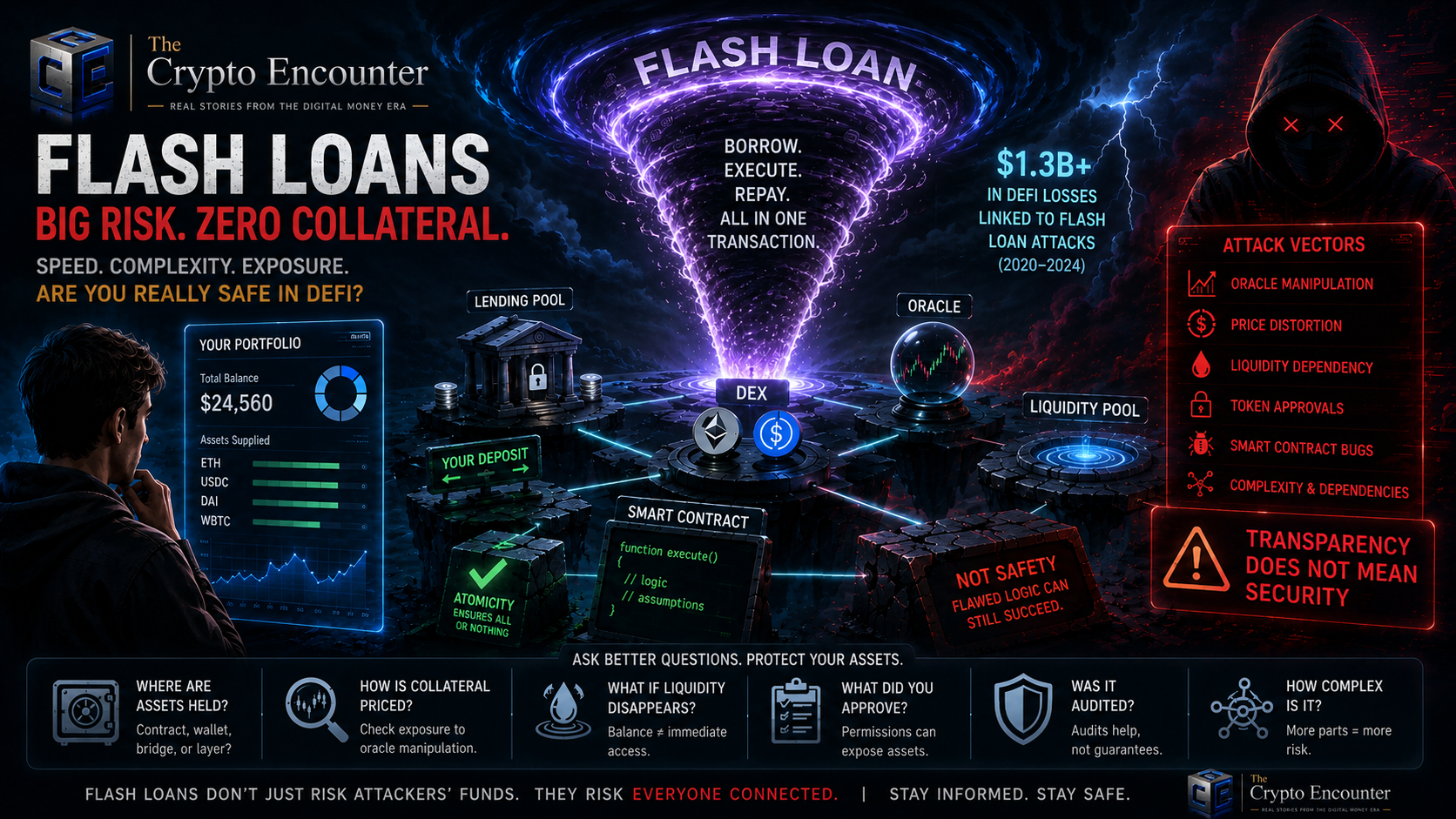
Flash loans can be legitimate DeFi tools, but the same temporary liquidity can magnify smart-contract and oracle weaknesses into serious protocol-level risks.

DeFi fell much harder than Bitcoin during a broad crypto decline. Summer.fi’s wind-down shows how security failures can become business-continuity crises.