

News
Why Crypto Security Fails at the Wallet, Not the Chain
Bitcoin and Ethereum have never been hacked at the protocol level in any way that mattered to an ordinary user. Every major crypto…

Browse the published record of TCE reporting, analysis and explainers. Filter by desk, author or date, or search directly for the topic you need.
154 stories found
Bitcoin and Ethereum have never been hacked at the protocol level in any way that mattered to an ordinary user. Every major crypto…

Your crypto transaction is public on transparent blockchains, even when the record does not display your legal name. Learn how wallet activity becomes…
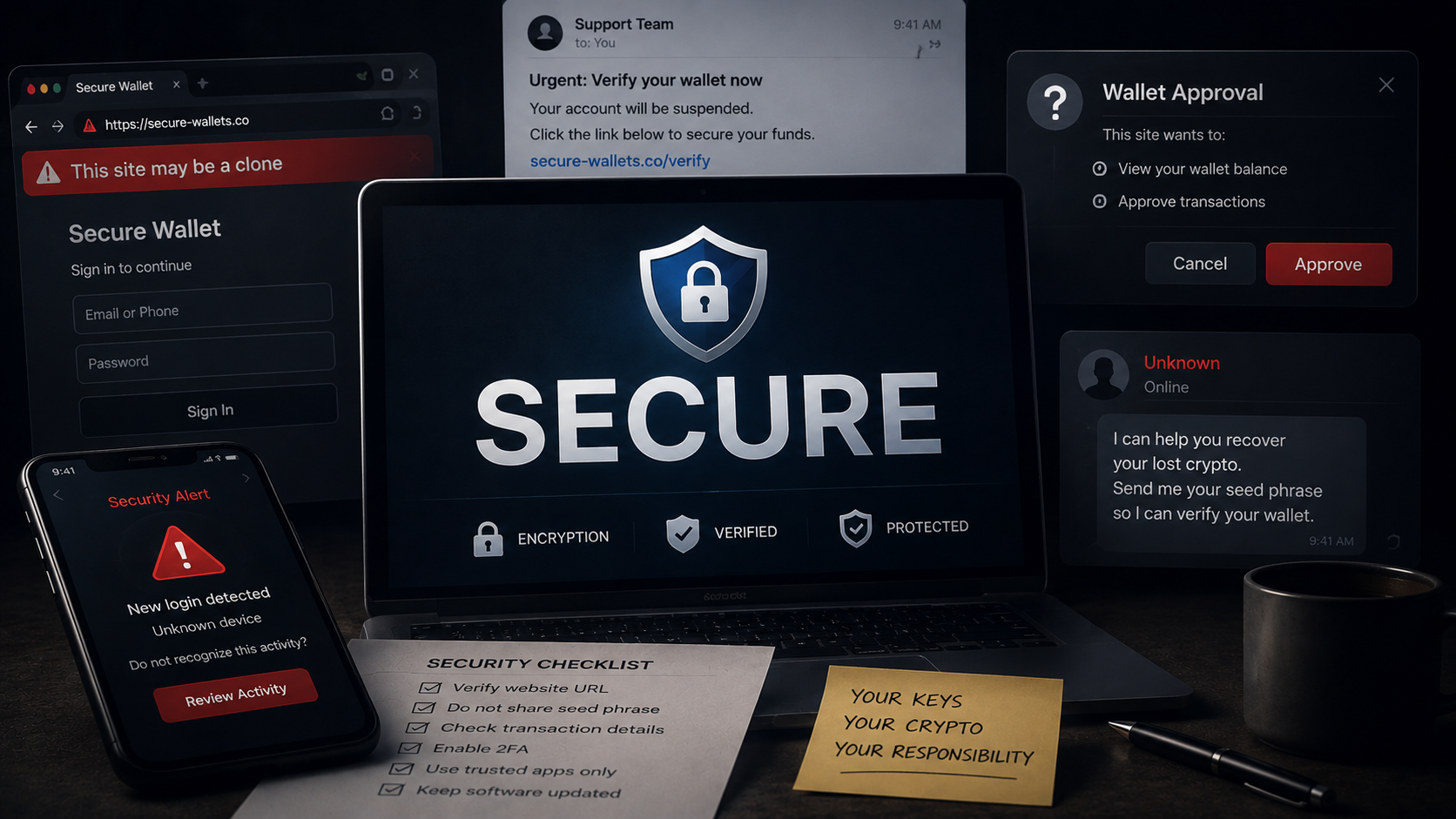
Crypto security is about much more than strong blockchains and encrypted wallets. This guide explains why the word "secure" can create false confidence,…

The blockchain can protect a transaction ledger without protecting the person using it. Learn how scams exploit wallets, devices, links, permissions, and human…

Strong cryptography can protect a blockchain while users remain vulnerable to phishing, fake investments, compromised devices, stolen recovery phrases, and misleading wallet requests.…

When a retail investor logs into a major centralized cryptocurrency exchange, the interface presents an alluring illusion of ownership. Dashboard numbers update in…

The offshore exchange problem begins when users mistake a displayed balance for direct ownership. Learn how custody, solvency, platform terms, regulation, and bankruptcy…

Proof of reserves can reveal part of a crypto exchange’s asset position. However, it cannot show the full balance sheet, legal ownership, withdrawal…

Crypto security vs safety is not the same question, even though most people treat them as one. Bitcoin’s blockchain has never been hacked…

The Short Answer A bank is built around a specific legal bargain: it takes deposits, and in exchange for that privilege, it accepts…

An exchange app may show that you own crypto, yet access depends on private-key custody, platform solvency, withdrawal systems, regulation, and account controls.…

The unhackable blockchain may protect a network’s transaction history, but users remain exposed through wallets, devices, phishing links, smart contracts, exchanges, and human…
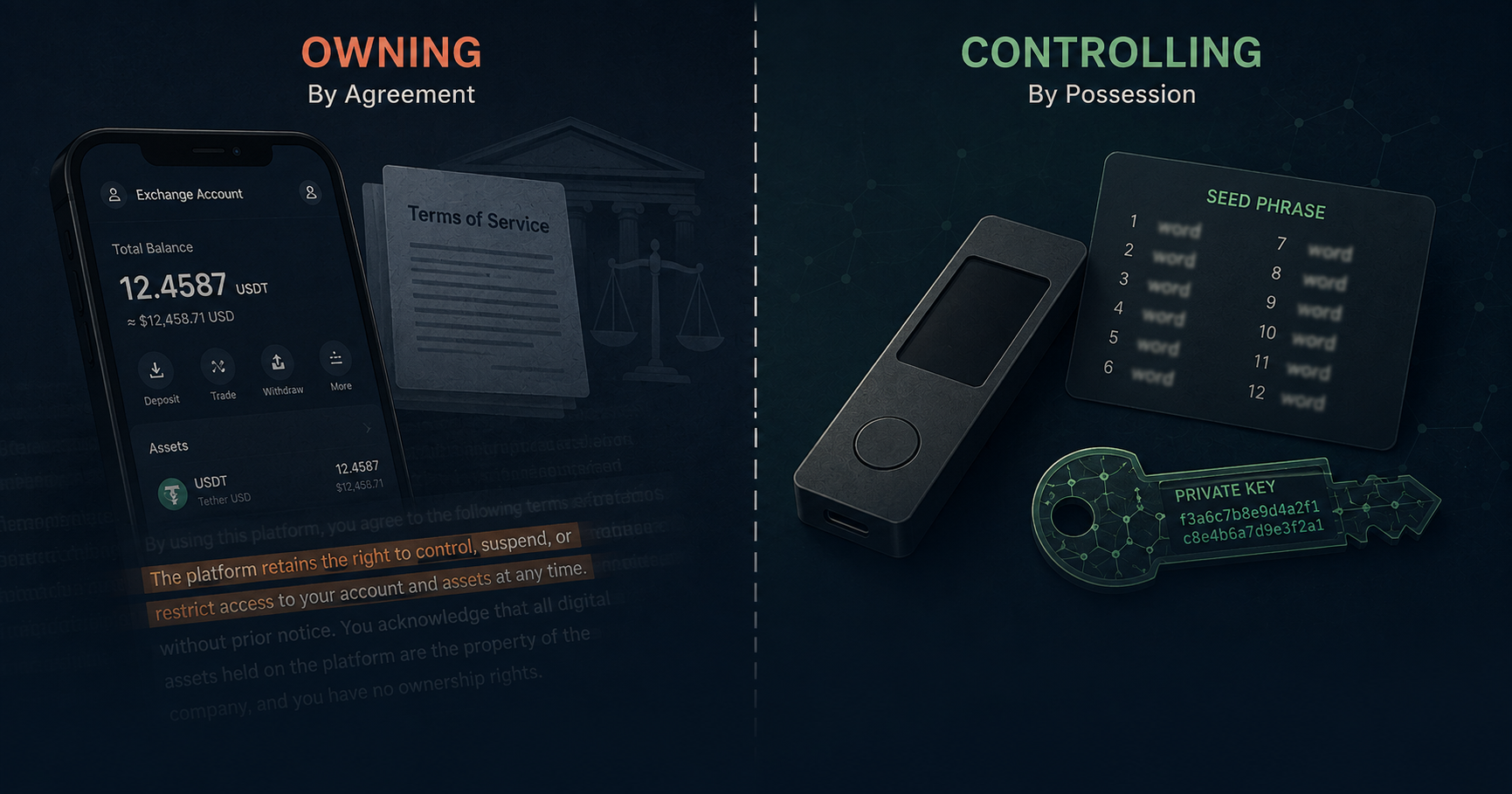
The Short Answer Owning crypto means you have a claim to it. Controlling crypto means you can actually move it without asking anyone’s…

Why crypto beginners lose money is not simply a question of choosing the wrong token. Wallet permissions, exposed recovery phrases, fake platforms, phishing…
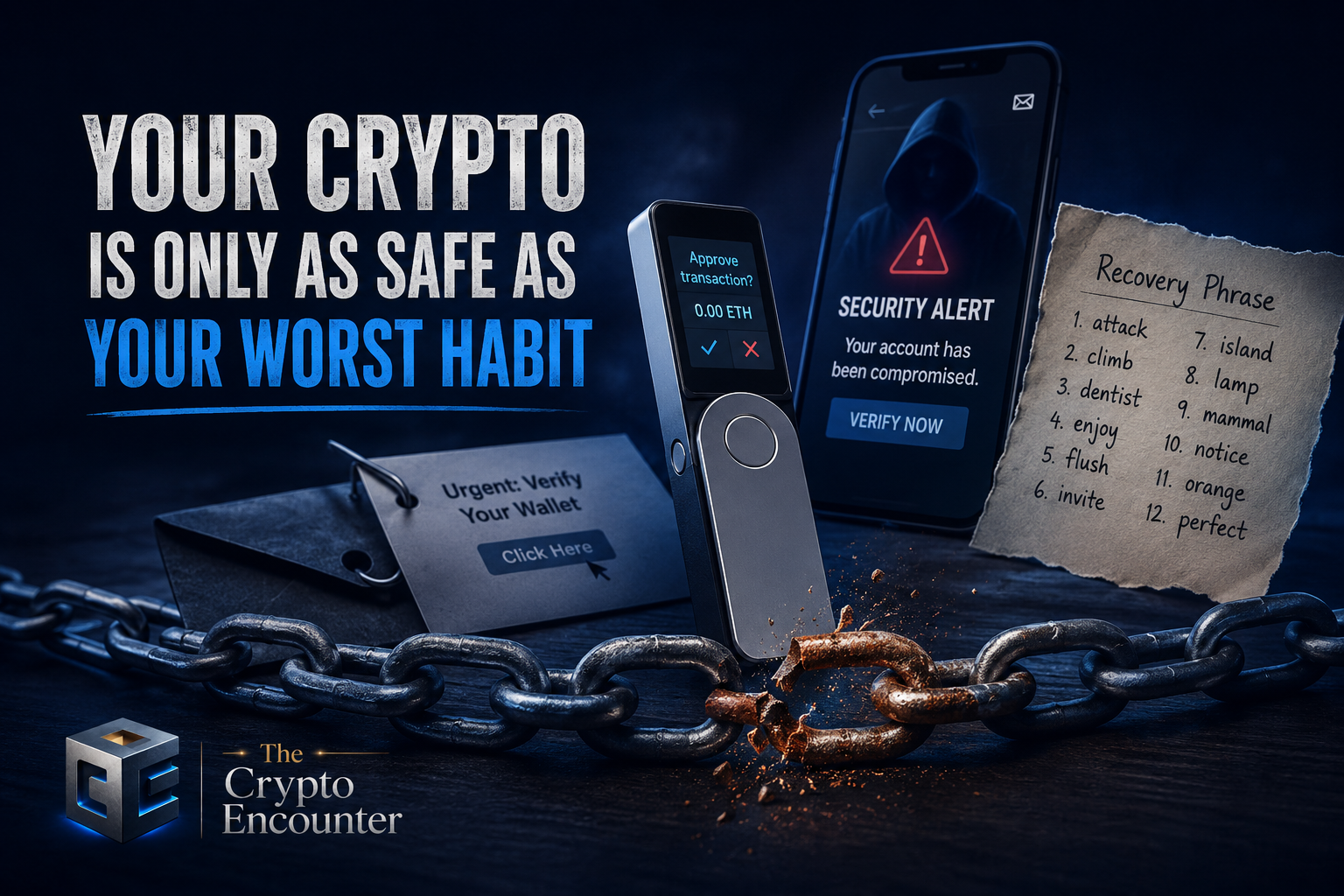
Blockchain networks can be technically secure while their users remain exposed. This guide explains how everyday habits weaken crypto safety and provides practical…

A blockchain records what happened with near-total accuracy. It cannot record whether what happened was right. Consensus, the process by which thousands of…

Crypto transactions usually cannot be reversed. Learn why crypto has no undo button, how scams happen, and the simple habits that can keep…

Secure blockchains cannot protect users from every fake website, stolen recovery phrase, deceptive approval, or impersonation scam. This guide explains the technical and…