

Crypto confidence helps users make informed decisions, but overconfidence can weaken the habits that protect wallets and funds. This guide explains how scams exploit trust, routine,...
AI scam bots can personalize crypto fraud, imitate trusted identities, maintain conversations around the clock, and make fake platforms look increasingly credible. Here is how the...
Crypto can be technically secure and still be dangerous for the person using it. That is the central idea behind this crypto safety checklist. A blockchain...
AI agents are changing the way crypto scams operate by making fraud more personal, scalable, and difficult to detect. This article explores how AI-powered criminals could...
Deepfake investment advice is turning old-school investment fraud into a personalized, scalable AI operation. Here is how the new boiler room works, why crypto raises the...
A deepfake CEO can make a fraudulent crypto token look credible through synthetic video, cloned voices, fake websites, and real blockchain transactions. Here is how the...
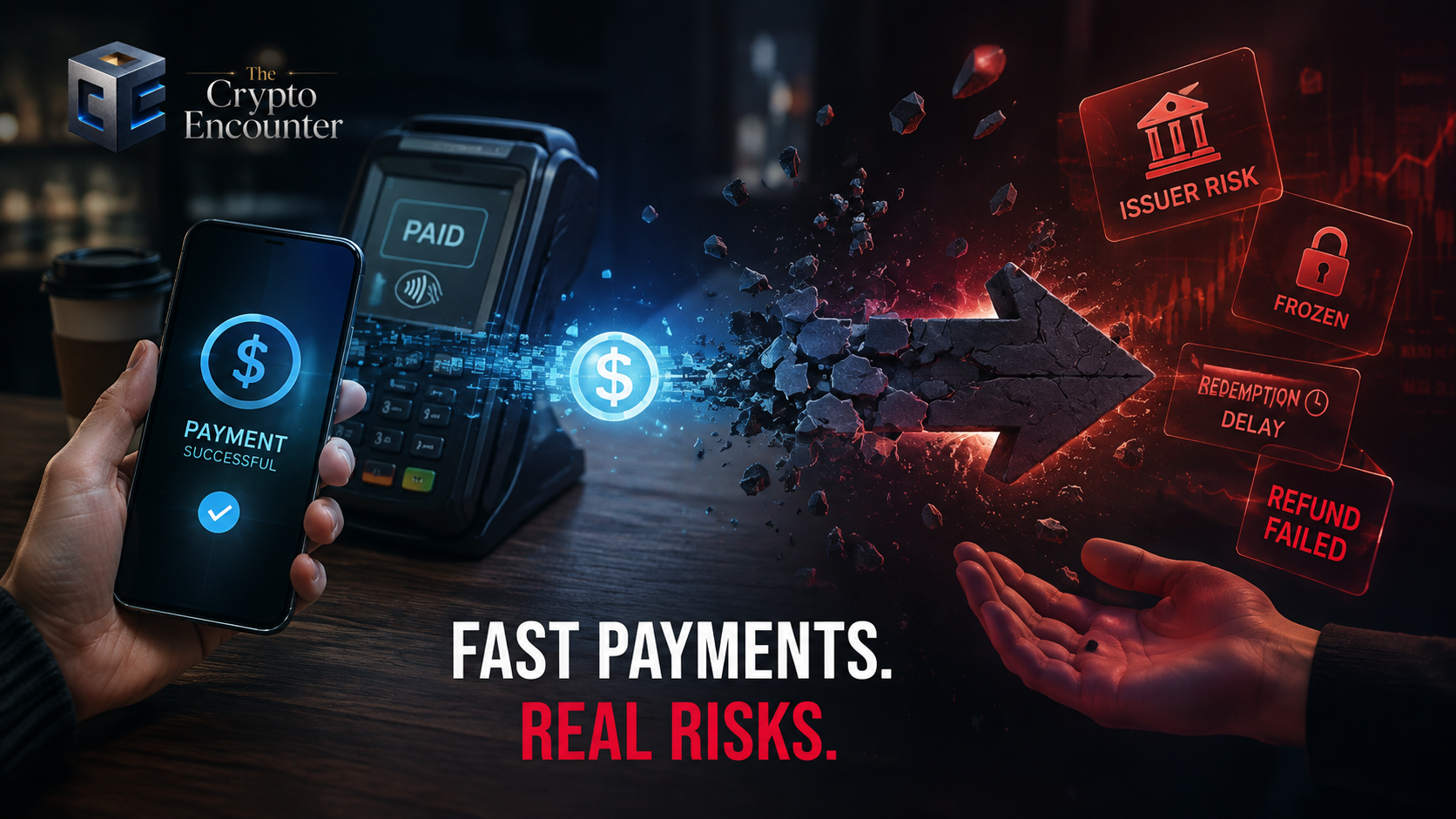
Crypto payments can move digital dollars quickly, but ordinary users still face reserve, redemption, freeze, compliance, wallet, cash-out, and payment-protection risks. This guide explains those hidden...
Crypto payments can move digital dollars quickly, but refunds reveal risks that settlement speed can hide. Here is how stablecoin reserves, redemption, freezes, disputes, and consumer...
Stablecoins make digital dollars fast, practical, and globally transferable. Those benefits also attract criminals. Here is how crime, freezing, reserves, redemption, scams, and payment protection intersect.
A dollar token may look and spend like digital cash, but its protection depends on an issuer, reserves, redemption rules, compliance controls, and payment infrastructure. Understanding...