
News
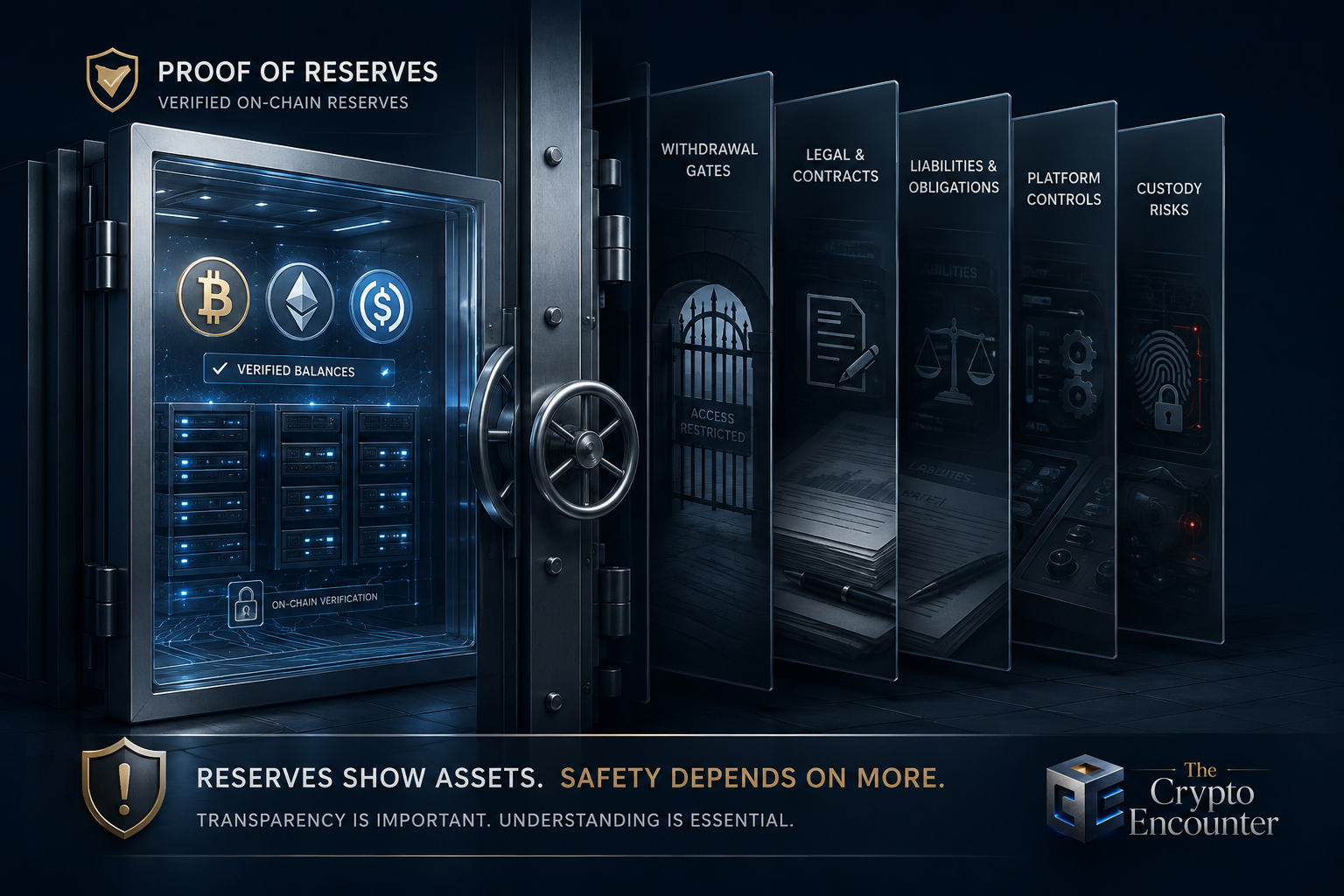
Proof of Reserves Is Not Proof of Safety
Proof of reserves can reveal part of a crypto exchange’s asset position. However, it cannot show the full balance sheet, legal ownership, withdrawal access,…


Proof of reserves can reveal part of a crypto exchange’s asset position. However, it cannot show the full balance sheet, legal ownership, withdrawal access,…

The unhackable blockchain may protect a network’s transaction history, but users remain exposed through wallets, devices, phishing links, smart contracts, exchanges, and human error.
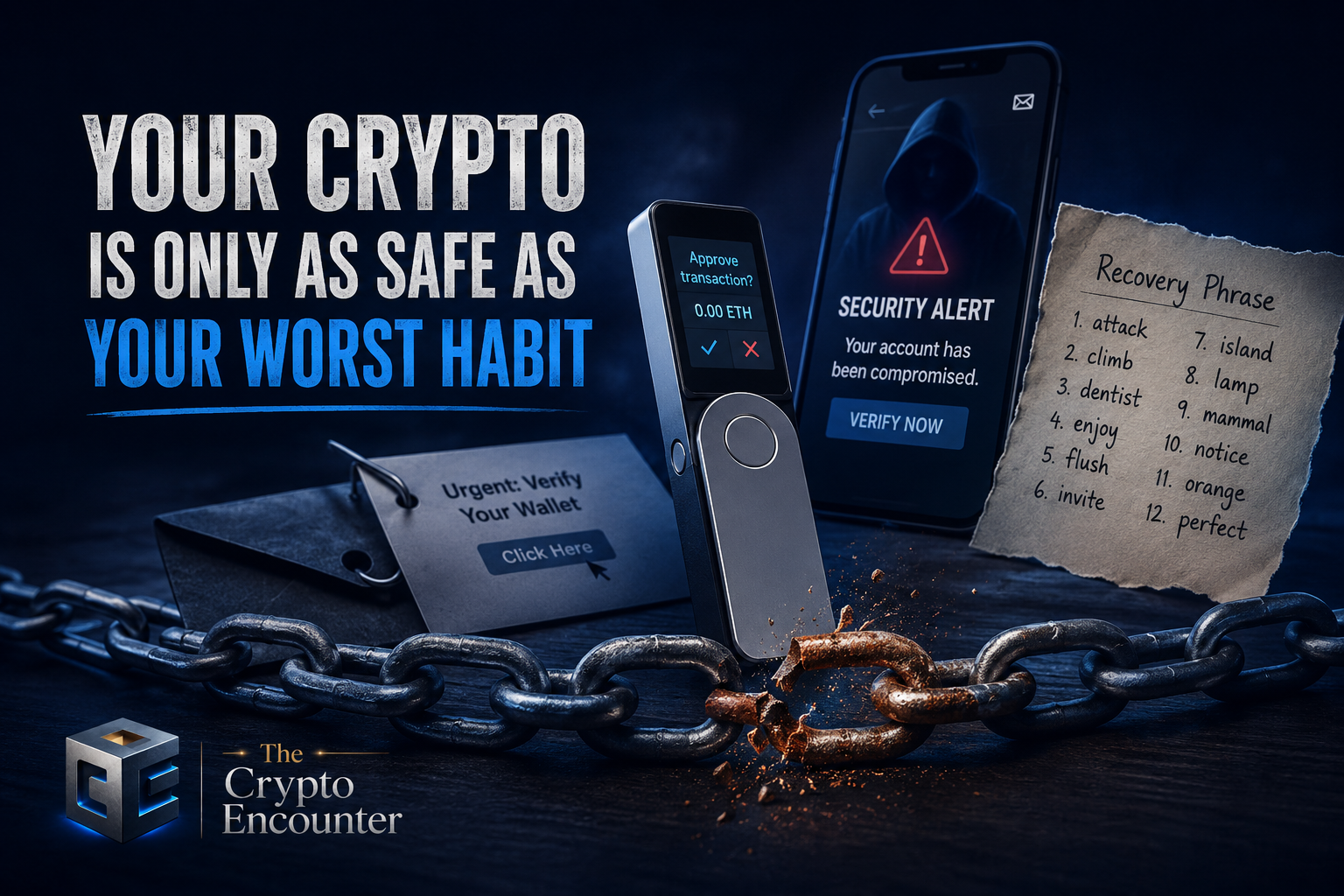
Blockchain networks can be technically secure while their users remain exposed. This guide explains how everyday habits weaken crypto safety and provides practical steps…

Secure blockchains cannot protect users from every fake website, stolen recovery phrase, deceptive approval, or impersonation scam. This guide explains the technical and human…

Crypto protocols can use powerful cryptography while users remain vulnerable to phishing, malicious wallet approvals, stolen recovery phrases and social engineering. Here is what…

Bitcoin is holding above $66,000 as U.S. federal debt nears $40 trillion. Treasury's August borrowing update could reveal whether rising government financing needs create…

Bitcoin fell below $64,000 as an oil spike, U.S.-Iran hostilities, and semiconductor losses weakened global risk appetite.

DeFi fell much harder than Bitcoin during a broad crypto decline. Summer.fi’s wind-down shows how security failures can become business-continuity crises.

Bitcoin gave back part of its inflation-driven rebound as U.S.-Iran tensions intensified, while Ether retained stronger weekly momentum and targeted ETF demand.

Ethereum rose 6.1% after softer U.S. inflation improved risk sentiment. The next test is whether macro relief can develop into sustained demand.